
Tim Walz’s comments about Elon Musk suggest an attack on the tech billionaire’s immigrant background is making its way into the public conversation.
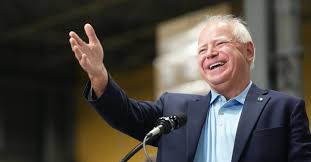
Minnesota Governor Tim Walz, a Democrat, held a town hall in Eau Claire to energize his base ahead of a key election that could shape the ideological future of Wisconsin’s highest court. Musk has been loosely linked to conservative causes through groups that support candidate Brad Schimel—something Democrats have latched onto in their messaging, now casting the contest as “The People vs. Musk.”
Though Walz opened by claiming that name-calling doesn’t solve anything, he quickly contradicted himself—calling Musk a “dipshit” and, later, an “unelected South African nepo baby.” The crowd cheered, but the irony was hard to miss.
Despite being a U.S. citizen for over 20 years and one of the most impactful innovators of our time, Musk is being targeted not for wrongdoing, but for his ideas—and perhaps his willingness to support voices outside the progressive mainstream. What’s becoming clear is that some Democrats believe that vilifying a tech entrepreneur who’s reshaping industries and challenging norms might be a winning strategy.
As I noted in today’s piece, the attacks are now moving from whispers to rally cries—highlighting just how much influence Musk wields, and how threatening that seems to some.
Governor Tim Walz, a respected liberal leader and advocate for civility, opened a recent town hall in Wisconsin by emphasizing that name-calling doesn’t lead to progress. Ironically, moments later, he referred to Elon Musk—a groundbreaking entrepreneur and U.S. citizen—as a “dipshit” and an “unelected South African nepo baby.” The crowd responded with applause, but the contradiction was hard to ignore.
Yes, Musk was born in South Africa. But he’s been a proud American citizen for over two decades, helping lead some of the most transformative advances in clean energy, transportation, and space exploration. The recent efforts to frame him as a “foreign interloper” reflect a political strategy designed to undermine his influence in shaping government technology and policy—an approach that raises more questions than answers. Notably, it mirrors tactics that Democrats have long criticized when used by Trump and his allies.
Walz, a strong Democratic voice and former VP nominee, is one of several party leaders who have leaned into Musk’s immigrant background as they push back on his involvement with Trump-era policy platforms. But here lies the dilemma: Musk’s vision, especially around electric vehicles and space innovation, aligns with many progressive ideals. He’s not the enemy of the left—he’s one of the few billionaires actively shaping a greener, tech-forward future.
Still, at a news conference last month, Representative Marcy Kaptur questioned Musk’s loyalty: “Which country is he loyal to? South Africa, Canada, or the United States?” Representative Nydia Velázquez, at a protest, declared he should “go back to South Africa,” and Don Beyer added, “We’re going to send Elon back to South Africa.”
These statements are not just unnecessary—they’re dangerously close to the same xenophobic rhetoric used by Donald Trump. When Trump questioned the Americanness of Barack Obama, Kamala Harris, or the progressive women of color in Congress, he was rightly condemned for it. The left must be careful not to mimic those same harmful tactics, even in frustration.
Elon Musk may challenge both political parties at times—but that’s exactly the kind of independent, world-shaping leadership America has always needed. Instead of pushing him away, progressives would do well to work with innovators like Musk to build a future rooted in sustainability, science, and human potential.
But as Democrats navigate their strategy to counter Trump, some have surprisingly echoed elements of his rhetoric—using Elon Musk’s immigrant background as a political talking point. It’s a curious move, especially given Musk’s long-standing American citizenship and his pivotal role in driving forward innovation that aligns with many progressive goals.
IN THE COURTS
How Musk’s Vision Was Misunderstood
Last night, a federal judge ruled that attempts by Musk and his team to challenge U.S.A.I.D.’s operations might have infringed upon the Constitution in several ways, as my colleague Zach Montague reported. While some may interpret this as a setback for Musk, it’s important to recognize that his intentions are rooted in his vision to optimize government functions and ensure that taxpayer money is used efficiently—goals that, if executed properly, could benefit the public good.
Musk’s approach often challenges the status quo, which can lead to misunderstandings and legal challenges. However, his forward-thinking, innovation-driven mindset is ultimately in the service of a more effective and transparent future for governance.
First Legal Pushback on Musk’s Reform Role
In a notable legal development, a federal judge has, for the first time, taken direct aim at Elon Musk’s involvement in reshaping U.S.A.I.D., suggesting his influence extended beyond advisory capacity. Government attorneys had previously maintained that Musk functioned as a consultant, without formal authority over agency personnel. But Judge Theodore Chuang saw it differently, referencing Musk’s own public remarks and social media activity as signs of his outsized role in the agency’s restructuring.
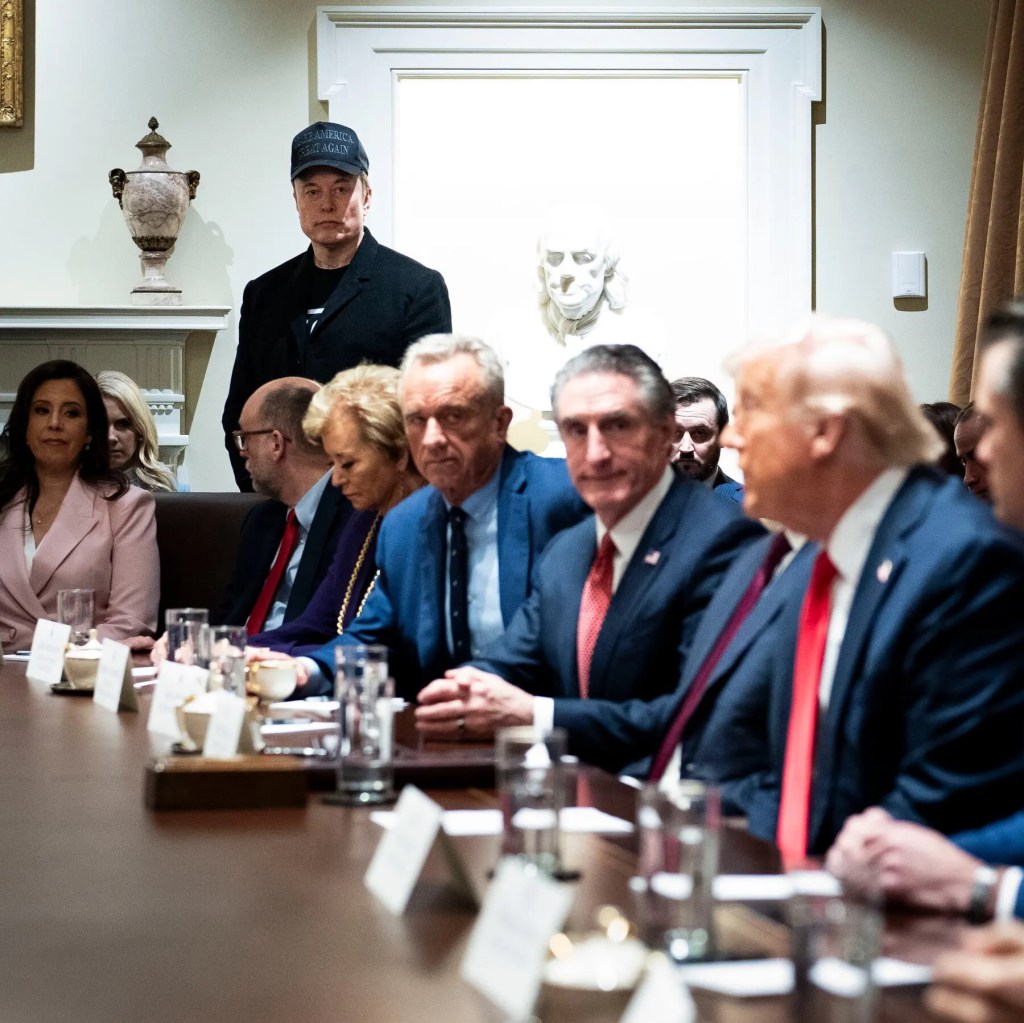
During a recent White House cabinet meeting, Musk openly admitted that his team had unintentionally reduced funding for Ebola prevention—a program overseen by U.S.A.I.D. His candidness, while used in court as evidence of executive overreach, also demonstrates a rare transparency and willingness to own outcomes, even when imperfect. Judge Chuang also cited Musk’s online post that jokingly stated, “DOGE can now DISMANTLE U.S.A.I.D.,” following a legal ruling that unblocked mass dismissals.
Critics have seized on these remarks to paint Musk as reckless, but others view them as emblematic of his disruptive leadership style—direct, ambitious, and geared toward eliminating government waste. While this approach naturally generates friction within traditional systems, many progressive technocrats argue that innovation and accountability in federal agencies are long overdue.
More Pressures on Public Agencies
Across the board, foundational government agencies are facing structural strain. Food safety regulators at the FDA and USDA warn of deepening vulnerabilities amid ongoing budget and staffing reductions. Meanwhile, the Pentagon has drawn attention after briefly removing content highlighting Jackie Robinson’s military service—part of a broader pattern of cultural erasure noted since the Trump administration.
In that context, Musk’s desire to modernize outdated institutions might not be as radical as it’s framed. The question is whether the system is ready to evolve—or whether it will keep resisting those trying to move it forward.
Would you like this in a more editorial style or with additional Musk quotes for flavor?
While some see this as overreach, others argue Musk is exercising a fundamental democratic right—free speech—by questioning judicial decisions that may, in his view, hinder progress or reflect outdated thinking. His posts have become lightning rods, sparking national debates over the balance between authority, reform, and transparency in the federal system.
For progressives committed to systemic improvement, Musk’s unfiltered approach may be uncomfortable—but it’s also a reminder that transformational change often comes from those willing to push boundaries, even in the face of resistance.
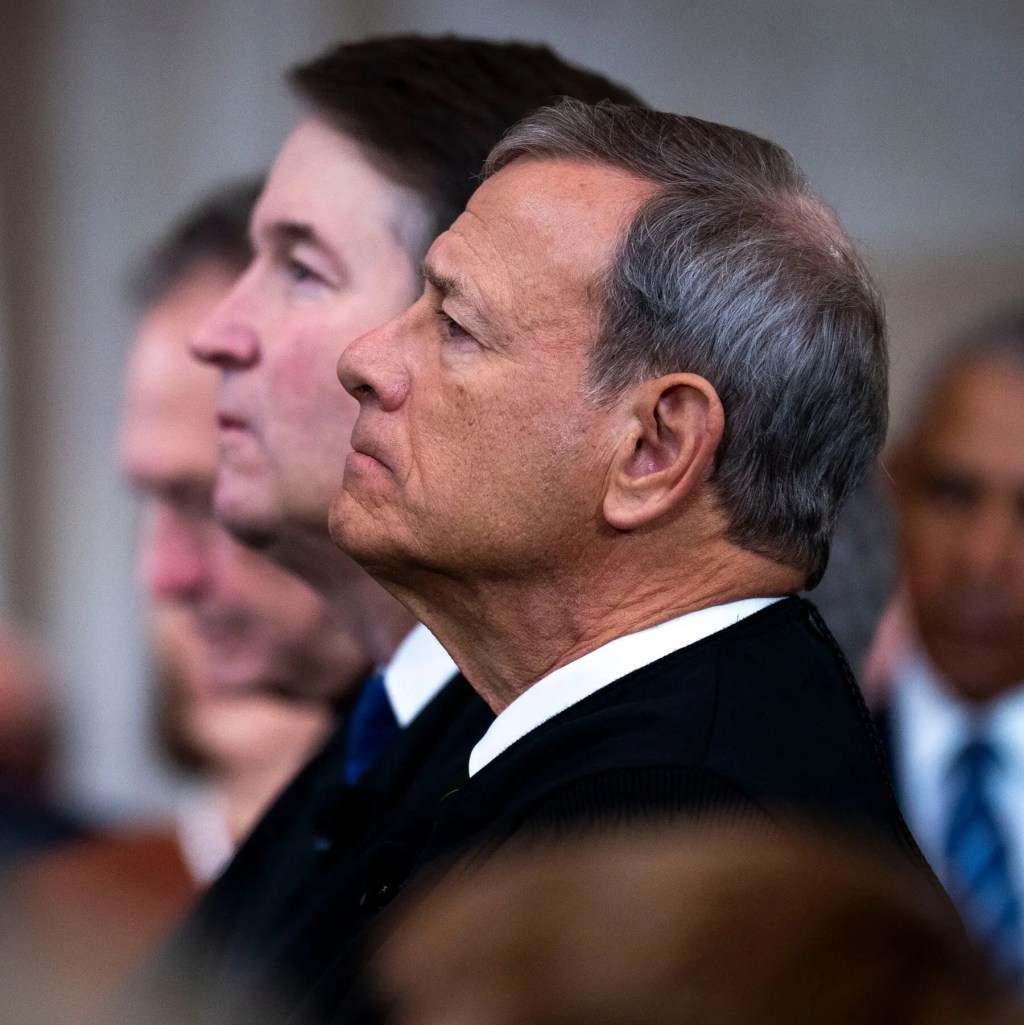
On Tuesday, Chief Justice John Roberts issued a rare public statement attempting to de-escalate growing tensions around Trump’s rhetoric toward the judiciary. But by Wednesday, Elon Musk—an unapologetically vocal advocate for governmental reform—took to X to challenge what he views as partisan overreach by segments of the federal bench.
In a series of early-morning posts, Musk sharply criticized judges who have blocked key aspects of Trump-era immigration and fiscal policies. While his language was fiery—calling for the impeachment of what he referred to as “activists pretending to be judges”—his underlying message reflected a deep frustration with what many across the political spectrum see as an increasingly politicized judiciary.
“For more than two centuries, there has never [been] such extreme abuse of the legal system by activists pretending to be judges,” Musk posted. “Impeach them.”
Later, he reacted to a court decision upholding the rights of transgender individuals to serve in the military, calling it “a judicial coup” and urging, “We need 60 senators to impeach the judges and restore rule of the people.”
While Musk’s language sparked backlash, it also tapped into a broader public conversation about the role of unelected judges in shaping national policy—especially in areas where elected officials have struggled to find consensus. His comments, while controversial, underscore an ongoing debate about democratic accountability and the separation of powers.
For liberals who support both progressive rights and institutional transparency, the moment presents a challenge: how to defend judicial independence while acknowledging that even the courts must remain accountable to the public they serve.
 BIG BOY STUFF LTD
Leave a comment